
Beaver reintroduction impacts
400 years after being extirpated from the UK landscape, beavers are finally making a comeback! Across the country, researchers have been developing an evidence base for how these ecosystem engineers interact with our extensively modified landscapes to maximise benefits and minimise possible conflicts associated with their reintroduction. Richard Brazier and Alan Puttock at the University of Exeter have been at the forefront of this research, working with many partners.
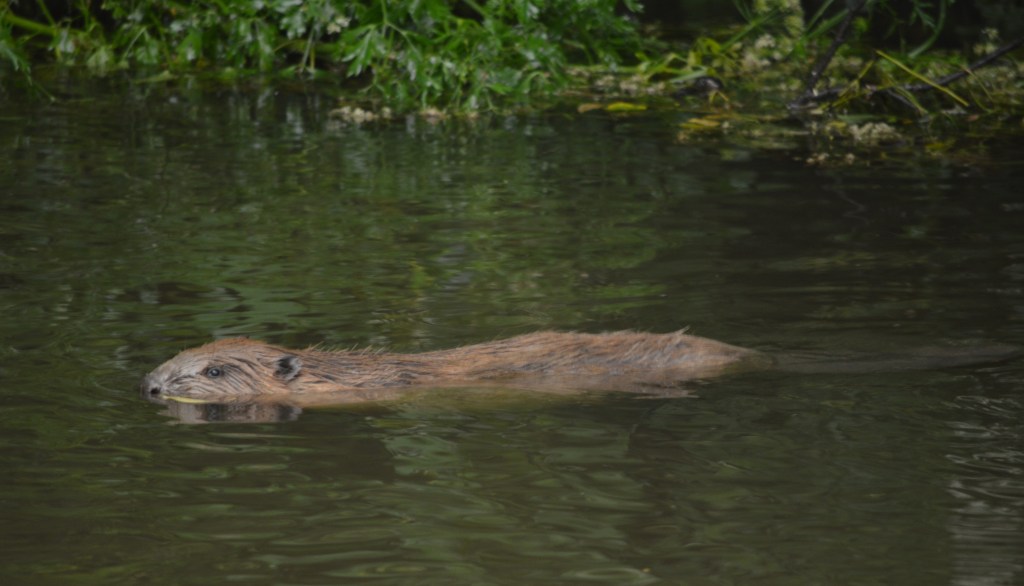
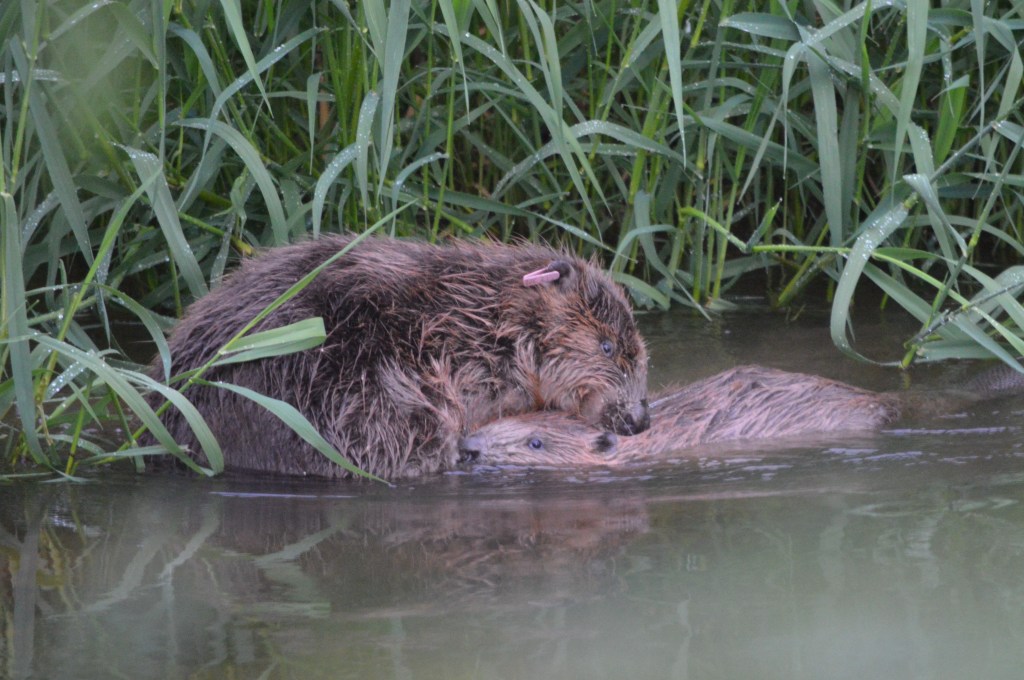
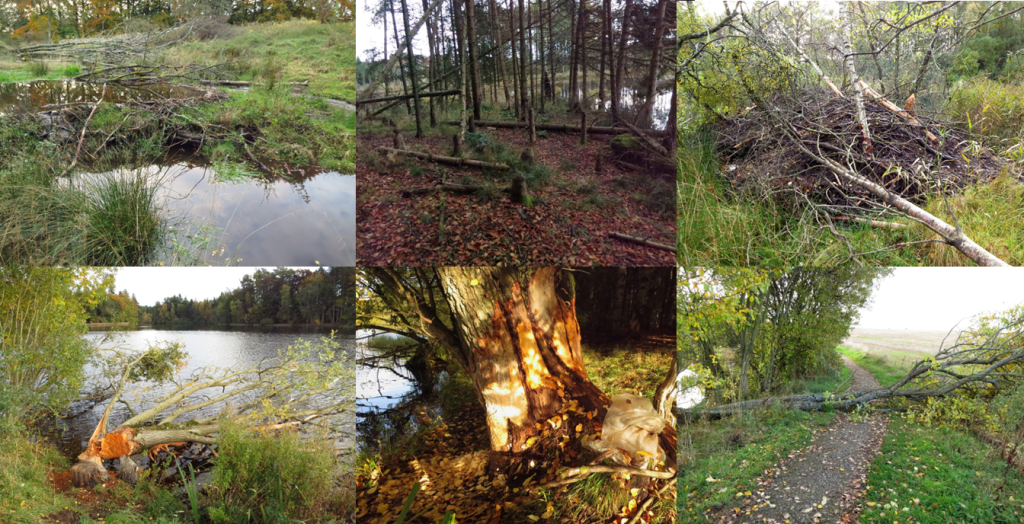
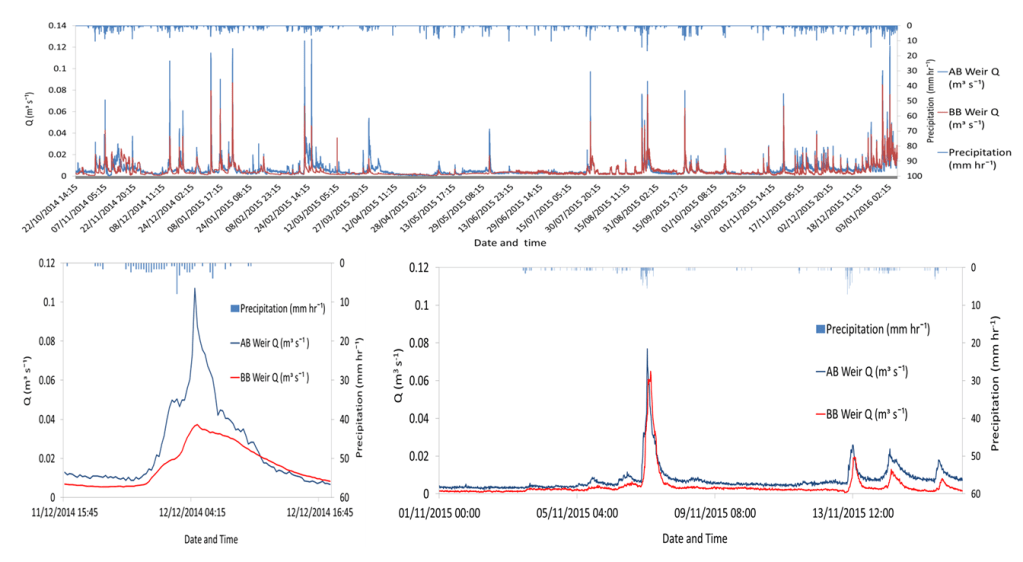
Andy contributed to some of the early work, particularly by leading aerial surveys to quantify the extent of beaver impacts across different reintroduction sites. Our exciting early findings included demonstrated the ability of beaver dam networks to attenuate peak flows and mitigate flood risk, and the huge biodiversity benefits of the mosaic landscapes that beavers create.
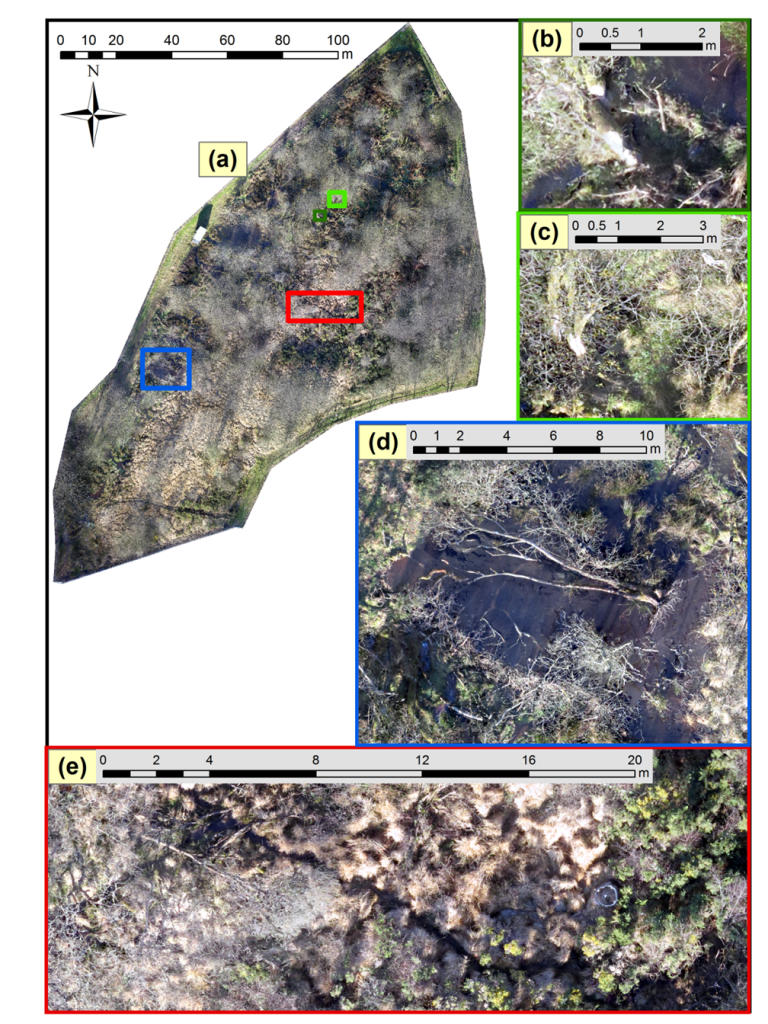
Find out more about this work in
- Puttock*, A., A. Cunliffe*, K. Anderson and R. Brazier (2015). Monitoring the impact of Eurasian beaver reintroduction on ecosystem structure using aerial photography collected from a multi-rotor drone. Journal of Unmanned Vehicle Systems 3(3):123-130. DOI:10.1139/juvs-2015-0005. Download PDF;
- Puttock, A., H. Graham, A. Cunliffe, M. Elliott and R. Brazier (2017). Eurasian beaver activity increases water storage, attenuates flow and mitigates diffuse pollution from intensively-managed grasslands. Science of the Total Environment 576:430-443. DOI:10.1016/j.scitotenv.2016.10.122. Download PDF; and
- The River Otter Beaver Trial: Science and Evidence Report and subsequent outputs.
 Terrestrial Ecosystem Science & Services